Navigation Structure Made Critical Workflows Hard to Complete.
Navigation Structure Made Critical Workflows Hard to Complete.
Many workflows, required users to navigate across multiple disconnected sections of the platform.
Instead of progressing through a clear, guided flow, users had to stitch together steps manually using outdated documentation.
Many workflows, required users to navigate across multiple disconnected sections of the platform.
Instead of progressing through a clear, guided flow, users had to stitch together steps manually using outdated documentation.
Many workflows, required users to navigate across multiple disconnected sections of the platform.
Instead of progressing through a clear, guided flow, users had to stitch together steps manually using outdated documentation.
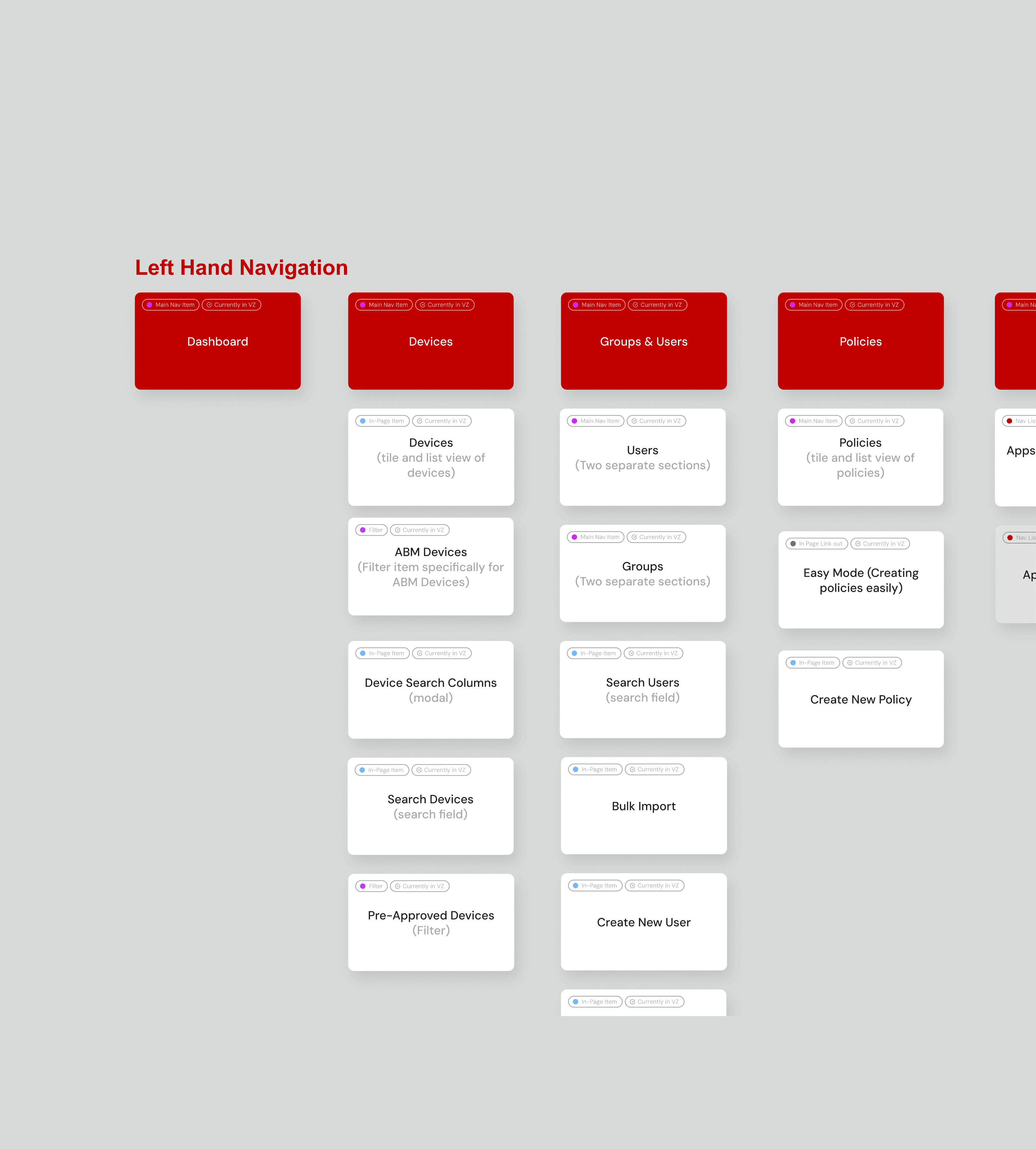
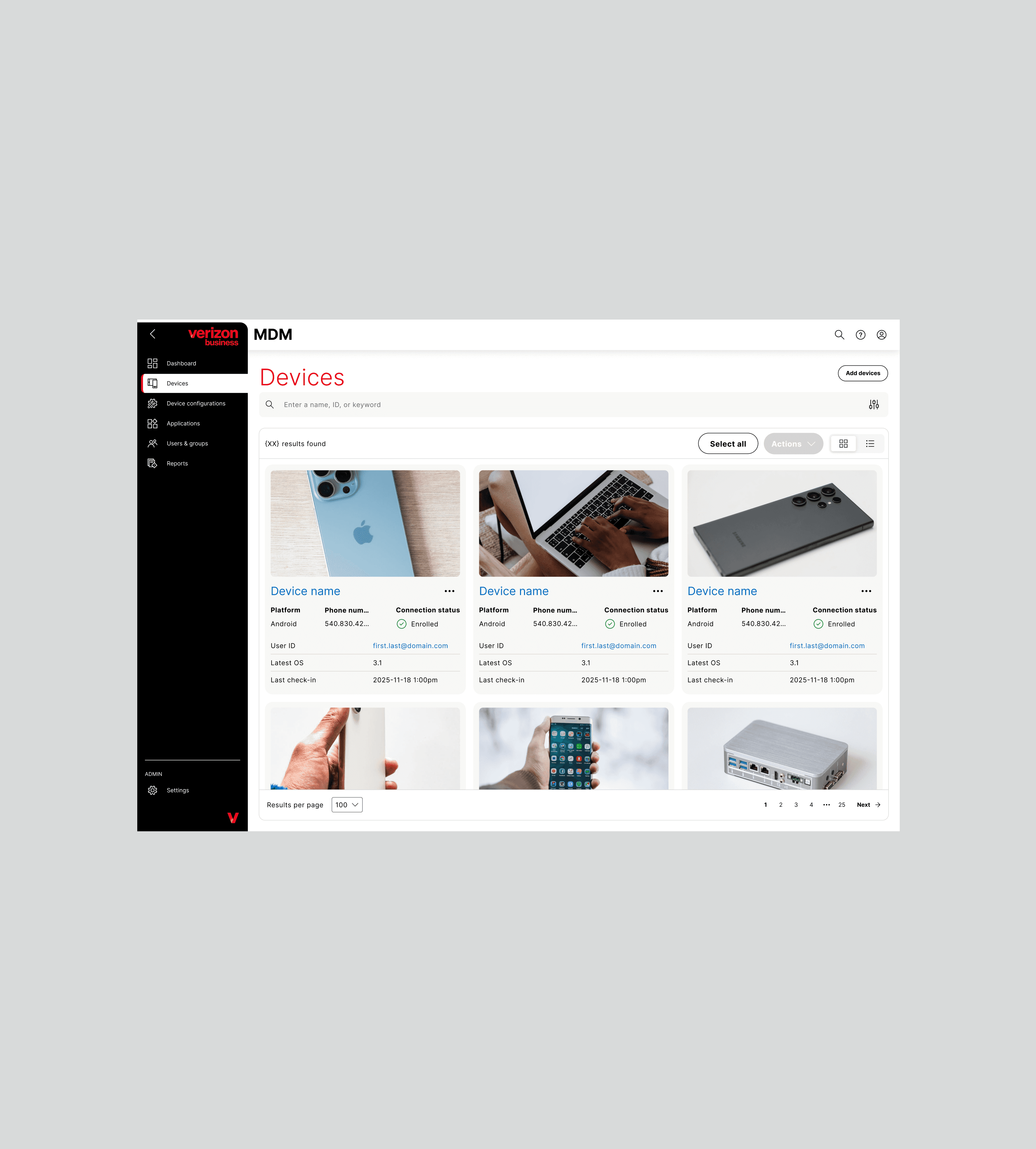
At the root of this complexity was a navigation model that organized functionality around internal system groupings rather than user goals. Sequential steps were fragmented across the platform, making it difficult understand what came next.
Card sorting and testing was done to make sure that the navigation content was prioritized correctly and terminology was familiar.
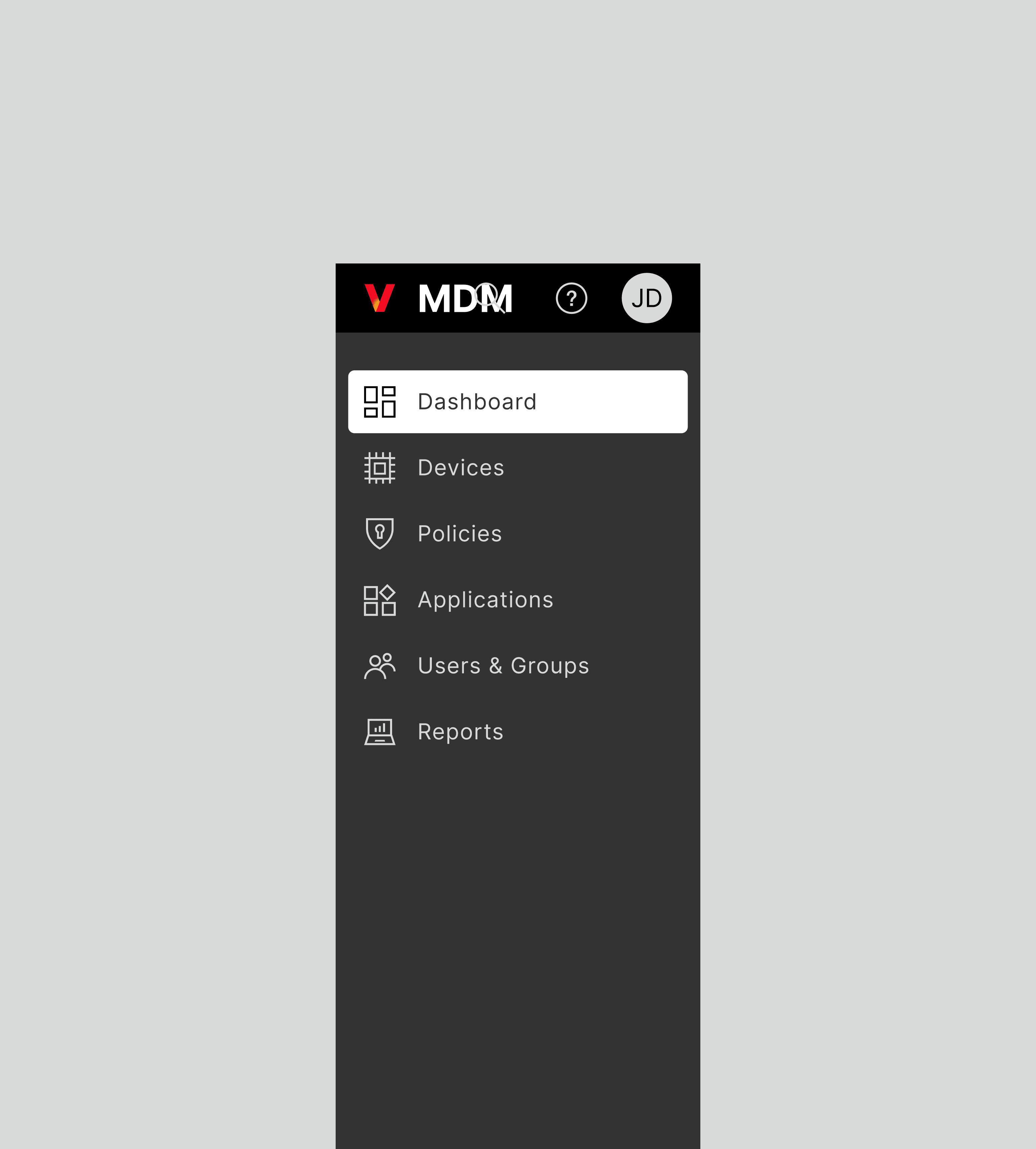
The new UI prioritized key work user flows and shifted to a more surface left side panel navigation.
For more complex workflows that involved both internal setup and external dependencies, we introduced a low-fidelity Quick Start guided flow that provided explicit sequencing, prerequisite visibility, and clear next steps — transforming a fragmented process into a cohesive experience.
Surface-level usability issues slowed users down.
Surface-level usability issues slowed users down.
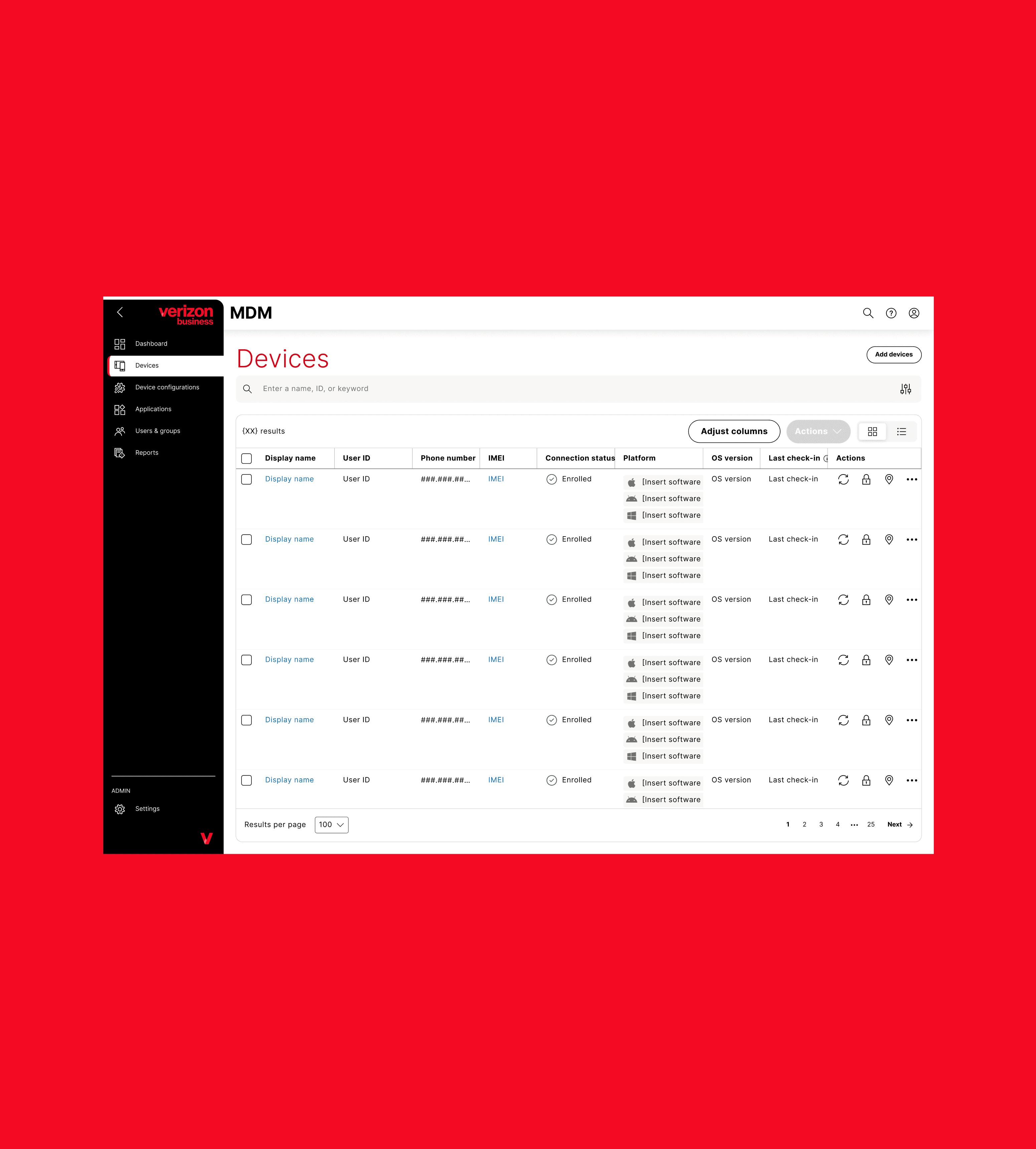
The interface suffered from inconsistent labeling, unclear iconography and dated visual design. Several stakeholders described the UI as resembling “Windows 95”. This created unnecessary friction for simple actions.
Our team utilized new and existing accessible design system components to enhance the UI and UX.
The interface suffered from inconsistent labeling, unclear iconography and dated visual design. Several stakeholders described the UI as resembling “Windows 95”. This created unnecessary friction for simple actions.
Our team utilized new and existing accessible design system components to enhance the UI and UX.
The interface suffered from inconsistent labeling, unclear iconography and dated visual design. Several stakeholders described the UI as resembling “Windows 95”. This created unnecessary friction for simple actions.
Our team utilized new and existing accessible design system components to enhance the UI and UX.
Testing designs revealed the power of IA and UX principles.
Testing designs revealed the power of IA and UX principles.
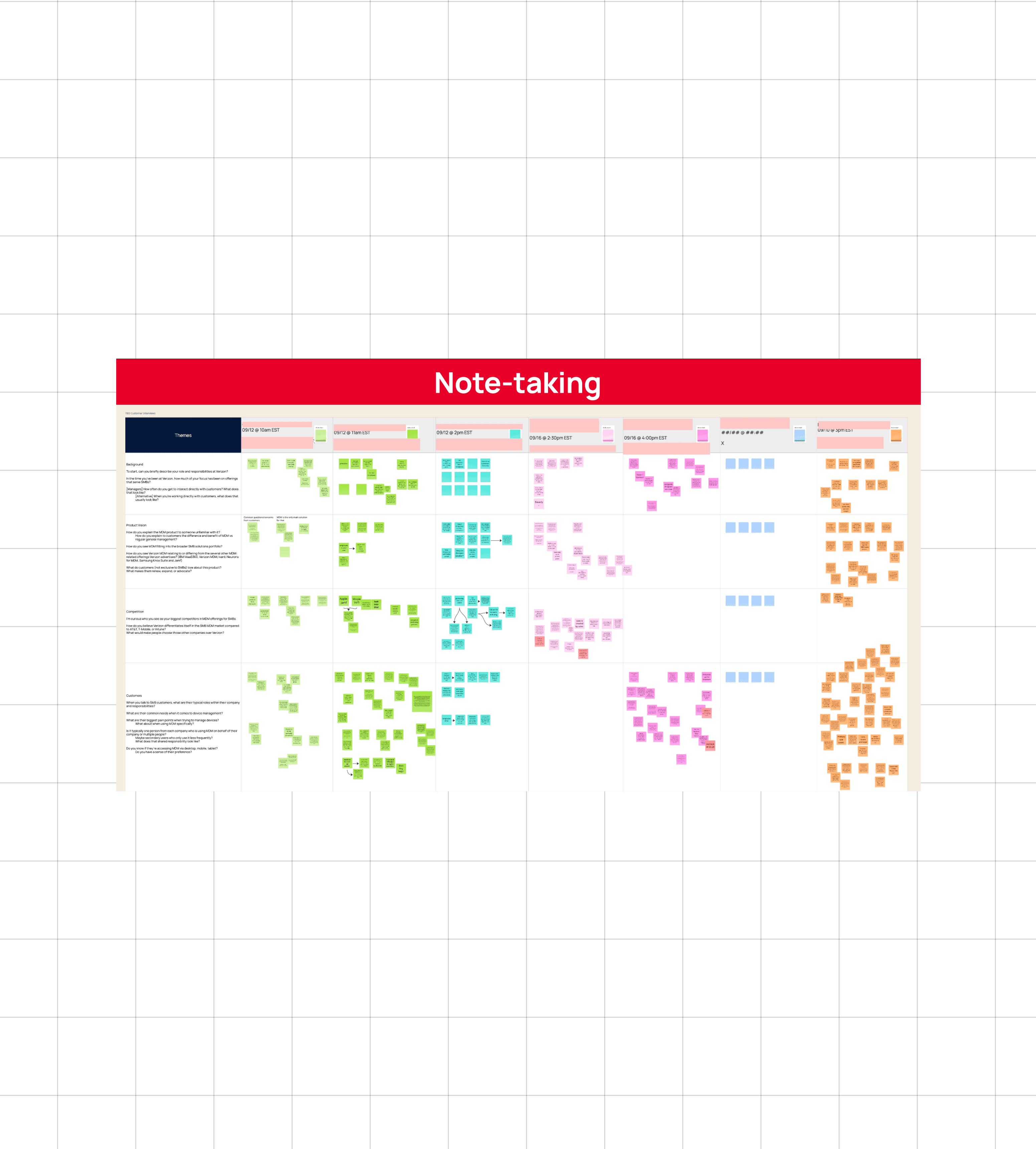
We tested the redesigned experience with 4 small business customers and 3 users of competitor MDM platforms.
Participants consistently perceived the redesigned interface as significantly more intuitive and approachable. Improvements in layout, labeling, and workflow clarity helped users discover features they had previously overlooked.
We tested the redesigned experience with 4 small business customers and 3 users of competitor MDM platforms.
Participants consistently perceived the redesigned interface as significantly more intuitive and approachable. Improvements in layout, labeling, and workflow clarity helped users discover features they had previously overlooked.
We tested the redesigned experience with 4 small business customers and 3 users of competitor MDM platforms.
Participants consistently perceived the redesigned interface as significantly more intuitive and approachable. Improvements in layout, labeling, and workflow clarity helped users discover features they had previously overlooked.
“This has everything and more,” — despite the underlying functionality remaining largely unchanged.
-Undisclosed participant from user testing
Redesigning Verizon’s MDM platform demonstrated how impactful thoughtful UX can be — even when core functionality remains unchanged. By simplifying navigation, clarifying labels, modernizing UI patterns, and introducing guided workflows, the platform became significantly more approachable for small business users.
Redesigning Verizon’s MDM platform demonstrated how impactful thoughtful UX can be — even when core functionality remains unchanged. By simplifying navigation, clarifying labels, modernizing UI patterns, and introducing guided workflows, the platform became significantly more approachable for small business users.